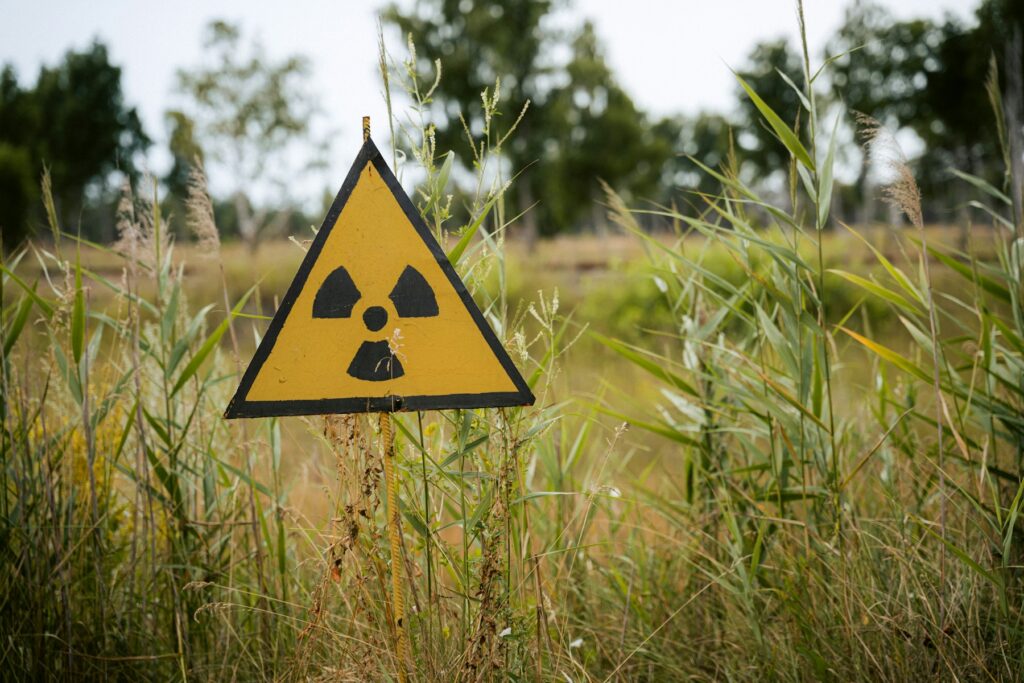
So, your school wants to launch a Nuclear Apocalypse Survival Club? It’s equal parts creative, practical, and just edgy enough to grab students’ attention. This club blends STEM, critical thinking, and teamwork through hypothetical (but science-backed) disaster scenarios. Let’s break down how to make it work.
Equipment You’ll Need
Every survivalist needs gear. Start with basics like radiation detectors (Geiger counters), which can be borrowed or simulated using free smartphone apps like Radioactivity Counter. Stock up on first-aid kits - Red Cross offers affordable options - and include water filtration systems (try DIY builds with sand, gravel, and activated charcoal).
Add maps, walkie-talkies for communication drills, and emergency blankets. For realism, use NOAA’s Radiation Emergency Supply List as a reference. Don’t forget “decoy” items like broken equipment to challenge problem-solving skills. Pro tip: Local emergency management offices often loan supplies to schools for educational purposes - just ask.
Suitable Locations
Flexibility is key. Science labs work well for experiments (like testing water purity), while classrooms with movable desks are ideal for strategy sessions. Outdoor spaces? Perfect for building makeshift shelters or running evacuation drills.
If your school has a makerspace, use it for constructing survival tools. No outdoor access? Virtual simulations like Fallout Shelter (don’t worry, it’s kid-friendly) can mimic resource management scenarios. For radioactive “hot zones,” mark areas with cones or tape - students will get the idea.
Age Range
Aim for grades 7–12 (ages 12–18). Younger students might struggle with the abstract risks, while older teens can handle complex topics like nuclear physics or ethical dilemmas (e.g., rationing supplies). For middle schoolers, focus on teamwork and basic science; high schoolers can dive into debates about fallout biology or government crisis protocols.
That said, gauge maturity levels. A 6th grader obsessed with science fiction? Maybe make an exception. Always provide content warnings and avoid overly graphic material.
Who Will Enjoy This?
Let’s face it - students love a good post-apocalyptic narrative. This club will attract:
- STEM enthusiasts who geek out over data analysis or engineering challenges.
- Creative thinkers who thrive in open-ended scenarios (e.g., “Design a society from scratch”).
- Outdoor kids eager to build forts or navigate obstacle courses.
- Debate lovers ready to argue ethics of triage or leadership structures.
It’s also a stealth way to engage anxious students. Controlling hypothetical disasters can make real-world stress feel manageable.
Things to Consider
Pros:
- Teaches resilience, leadership, and practical science.
- Fosters interdisciplinary learning (history, ethics, biology).
- Low cost if you repurpose existing supplies.
Cons:
- Sensitivity check: Avoid triggering anxiety about real-world threats. Frame scenarios as “problem-solving games.”
- Parental buy-in: Send permission slips explaining the educational focus. Some might confuse this with doom-prepping.
- Balance fun and gravity. A zombie cameo? Maybe. Making light of actual tragedies? Never.
Start with short, structured activities before diving into multi-week survival sagas. And always debrief after intense simulations - ask, “What did we learn?” not “Who survived?”
Further Pathways
This club isn’t just for fun. Students can:
- Compete in Science Olympiad’s Codebusters event, which includes cryptography (useful for secure communication).
- Pursue internships with organizations like FEMA’s Youth Preparedness Council.
- Explore careers in emergency medicine, environmental science, or engineering.
For hands-on development, suggest online courses like Coursera’s Disaster Preparedness or MIT’s Nuclear Science OpenCourseWare.
Final Thought
The Nuclear Apocalypse Survival Club isn’t about fear - it’s about empowerment. By tackling worst-case scenarios, students learn to think critically, adapt quickly, and (maybe) laugh while doing it. Plus, watching teens negotiate whether to trade their last “bottle of water” for a flashlight? Priceless.
Ready to prep for the future? Your students already are.