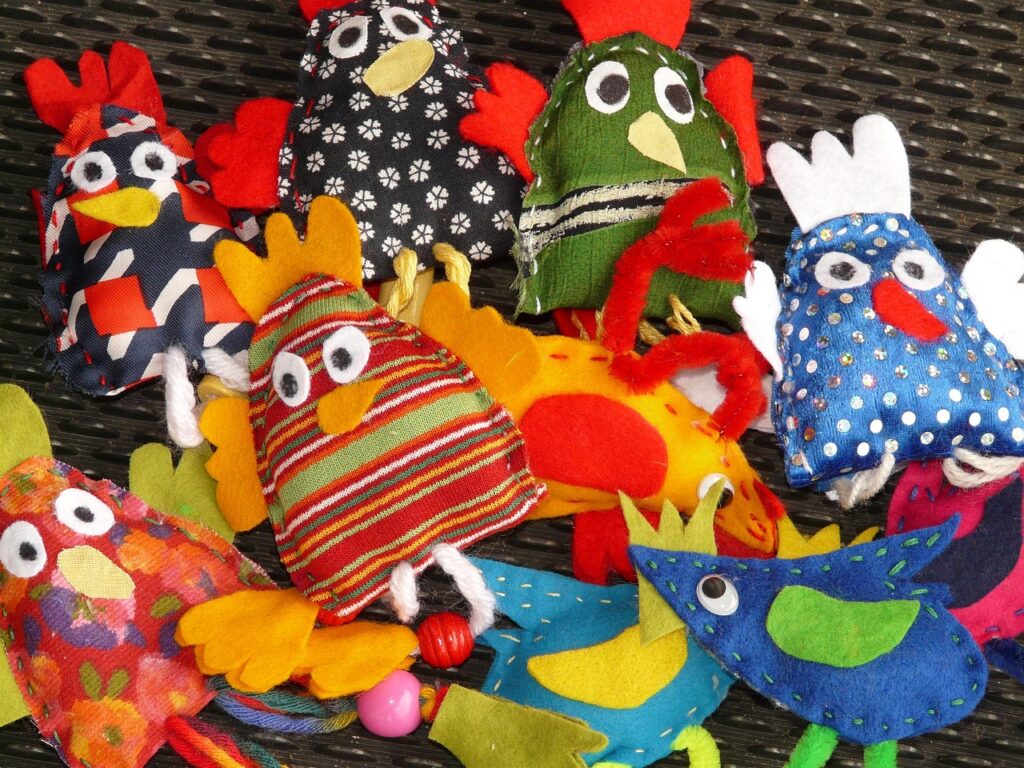
Looking for a low-cost, high-engagement club that blends art, storytelling, and teamwork? A Finger Puppets Club might be your answer. This hands-on activity lets kids design characters, craft miniature worlds, and perform impromptu stories, all while giving them plenty of reasons to collaborate and solve small creative problems. Here’s how to make it work.
Equipment You’ll Need
You don’t need a Broadway budget to get started. Basic supplies include:
- Finger puppets: Start with a small ready-made set so students can perform immediately, then let them make their own. Felt is especially handy because it is easy to cut into simple character shapes.
- Craft materials: Construction paper, felt, pipe cleaners, yarn, craft foam, fabric scraps, washable markers, and recyclables all work well for characters and scenery. Googly eyes are optional, but somehow they tend to become the club’s unofficial currency.
- Adhesives and scissors: School-appropriate scissors and glue are enough for most builds. Choose materials that match your school or district’s age and safety policies, and keep any adult-only tools out of the student supply trays.
- Staging supplies: A small table turned on its side makes a quick stage. Add a fabric curtain or poster-board backdrop for flair. Cardboard boxes also make excellent miniature theaters.
- Storage: Plastic bins, photo cases, or zippered pouches keep tiny props from going missing. Labeling matters here. A stray felt crown is funny once; finding thirty mystery accessories in May is less charming.
Pro tip: Ask families to donate clean spare craft supplies. Many homes have a “junk drawer” full of usable odds and ends, and this is one club where the oddest piece of ribbon may become the star of the show.
Suitable Locations
This club thrives in flexible spaces. A standard classroom works, but art rooms are particularly useful because they usually have wipe-clean tables and easy access to sinks. Libraries can work well for scriptwriting and quieter rehearsals, while multipurpose rooms give groups more space when several puppet shows are happening at once.
If you’re tight on room, avoid crowded desks. Kids need enough table space to spread out felt, paper, scissors, glue, and half-finished characters without elbow-bumping. A rolling cart or dedicated cabinet makes a big difference between meetings. If the club uses a stage, set it up so walkways and exits stay clear, and keep bags and craft boxes away from the performance area.
Age Range
There is no official age range for a school finger-puppetry club, so treat this as a practical recommendation rather than a rule. It works especially well from about Grades 1-5, when students can combine simple making with short improvised or scripted performances. Younger children may need pre-cut shapes, larger decorative pieces, and more help with glue. Older elementary students can design more detailed puppets, write dialogue, build sets, and manage small-group performances.
Adjust expectations rather than the fun. A first grader might create a gloriously lopsided monster with two eyes and one ambitious cape, while a fifth grader may build a whole cast and write a three-scene mystery. Both are wins.
Who Will Enjoy This?
This club isn’t just for future actors. It tends to suit students who enjoy drawing characters, making things, inventing stories, performing, or working behind the scenes. Students who do not want to perform can still design puppets, write scripts, build scenery, organize props, or direct a scene.
- Budding artists: Students who doodle in margins may love designing faces, costumes, props, and tiny sets.
- Storytellers: Kids who can turn a two-minute prompt into a ten-minute saga finally have an official outlet.
- Builders and organizers: Some students will care more about the stage, storage system, or moving parts than the dialogue, which gives the club useful behind-the-scenes roles.
- Collaborative groups: A short show naturally divides into jobs such as writer, builder, performer, stage manager, and sound-effects operator.
That range of roles also makes it easier to rotate responsibilities. Nobody has to be “the performer” every week, and nobody gets to own the dragon forever.
Things to Consider
The Good:
- Low cost: Many supplies can be shared, donated, improvised, or reused.
- Flexible sessions: A club can focus on making one week and performance the next, or combine both in a single meeting.
- Easy cross-curricular themes: Students can retell a book, dramatize a historical scene, explain a science process, or invent an entirely ridiculous detective story.
The Tricky:
- Mess management: Glitter is still the bane of craft supplies. Set a contained glitter zone or skip it entirely. You’ve been warned.
- Storage wars: Label everything and give each group a tray or pouch for unfinished work.
- Group dynamics: Some kids will naturally grab the spotlight. Rotating performer, writer, builder, and stage roles keeps the club from becoming one child’s extremely small theater company.
A workable 45-60 minute session might use 10 minutes for a prompt and planning, 20-25 minutes for making or rehearsal, 10-15 minutes for performances, and the final five minutes for cleanup. Start with structured challenges such as “Create a puppet of a favorite book character” before moving into completely free-form projects.
Further Pathways
Think beyond the club meetings. Students can perform for younger classes, families, a school library event, or a community audience. The Puppeteers of America regions and guilds directory is a useful starting point for finding local puppetry communities, workshops, and events, while the Center for Puppetry Arts educator programs include school-focused learning opportunities.
For students who want to move from live performance into animation, Stop Motion Studio’s education resources show how simple objects and characters can be turned into frame-by-frame films. Cooler Than School’s Lego Minifigure Stop Frame Animation Club is a natural next step, while the Glove Puppet Club gives students more room to explore larger characters and performance techniques.
Keep it simple early on. Your first session could be as easy as, “Here’s a puppet, make it introduce itself to a partner.” Celebrate messy creativity over perfection. A lopsided pirate puppet with a paper hat can have far more personality than something flawless straight out of a package.
Finger Puppets Club – our recommendations
For prices and ordering, click on the product image.
10-Piece Soft Plush Animal Finger Puppets Set
A ready-made finger puppet set gives the club something to use on day one, before anyone has cut a single piece of felt. This 10-piece assortment provides multiple animal characters for quick storytelling games, partner scenes, and demonstrations of simple puppet movement. It is especially useful as a shared starter set or as backup when student-made puppets are still drying. The characters are small enough for tabletop performances, though a larger group will need additional sets or homemade puppets so everyone can take part.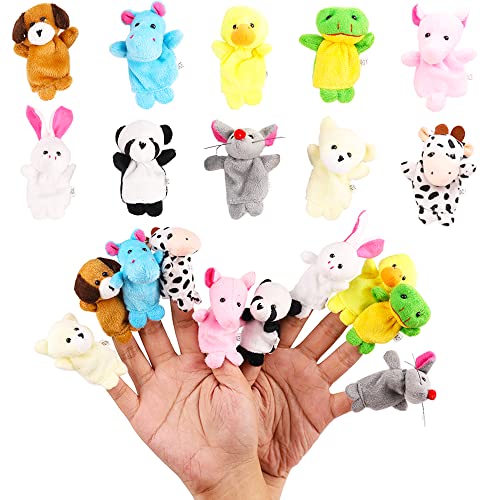
Creativity Street Felt Sheet Assortment, 9 x 12 Inches, 12 Pack
Felt is one of the most useful materials for a finger-puppet club because it can become bodies, ears, hats, costumes, scenery, or tiny props without much fuss. This Creativity Street assortment contains twelve 9 x 12 inch sheets in assorted colors, giving students enough variety for character design without requiring a huge fabric stash. Sheets can be shared across several projects and scraps are worth keeping. The main limitation is simple: ambitious groups can burn through favorite colors surprisingly fast, so separate extra sheets may eventually be useful.
Aleene’s Original Tacky Glue, 4 fl oz
Aleene’s Original Tacky Glue is a thick craft adhesive that works well for many lightweight puppet-building jobs involving paper, felt, fabric trims, foam, and similar craft materials. The 4 fl oz squeeze bottle is manageable for a shared worktable and the glue dries clear, which is helpful when decorations wander slightly off target. Because liquid glue needs drying time, it suits build sessions better than last-minute repairs immediately before a performance. As with any classroom adhesive, follow the product directions and your school’s rules for student use and cleanup.
Fiskars 5-Inch SoftGrip Blunt-Tip Kids Scissors, 3-Pack
A finger-puppet club spends a surprising amount of time cutting small shapes, so student-sized scissors are more useful than one pair of adult craft scissors being passed around the table. This Fiskars three-pack uses 5-inch blunt-tip scissors intended for children ages 4-7, with handles designed for smaller hands. They are useful for everyday paper and craft cutting and give several students access at once. Felt can require more deliberate cutting than paper, so demonstrate slow, controlled cuts and provide help when a design becomes too fiddly for the student using them.
IRIS USA 4 x 6 Photo Storage Craft Keeper, 2-Pack, Multi-Color/Pearl
Tiny puppet accessories have a supernatural ability to migrate across a classroom. This IRIS USA two-pack uses removable 4 x 6 inch inner cases inside portable outer keepers, making it useful for sorting felt pieces, eyes, yarn, character parts, labels, and other miniature props. Separate cases also make it easier to divide materials between groups and collect everything quickly at cleanup time. It is more structured than a basic open bin, but that organization starts earning its keep once the club has accumulated several weeks of tiny costumes and mysterious spare eyeballs.
Finger Puppets Club resources
- The Puppeteers of America education and therapy page introduces the organization’s work around puppetry in classrooms and other learning settings.
- Puppeteers of America Regions & Local Guilds helps educators identify regional puppetry communities, events, workshops, and local guild activity.
- The Center for Puppetry Arts educator hub covers school programs, digital learning, field trips, workshops, and curriculum-connected puppetry experiences.
- Ballard Institute and Museum of Puppetry workshops provide examples of structured puppet-building and manipulation activities for student and educator groups.
- The Smithsonian’s Puppetmania teaching resource is an archival classroom guide with background on puppet types and ideas for making and using puppets in school activities.
- Stop Motion Studio in Education provides classroom ideas, lesson resources, and practical guidance for turning handmade characters and objects into stop-motion projects.
Click the button below to purchase all of the products in this Finger Puppets Club guide from Amazon.
Buy from Amazon.comDisclosure: as an Amazon Associate, CoolerThanSchool.com earns from qualifying purchases.